Cars
SuperUser Account
322
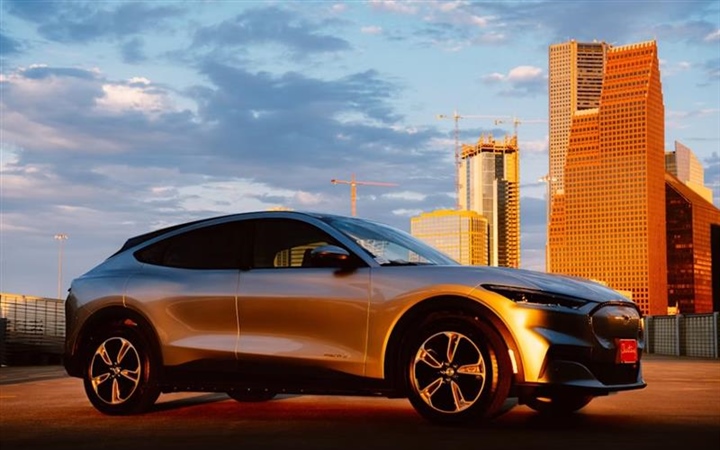
The automobile industry is undergoing one of the biggest technological shifts in its history.
For more than a century, gasoline and diesel engines dominated personal transport.
Today, electric propulsion is moving from a specialist technology into the mainstream.
Does that mean the internal-combustion engine will disappear completely?
The future is likely to be more complicated.
Cars
SuperUser Account
336
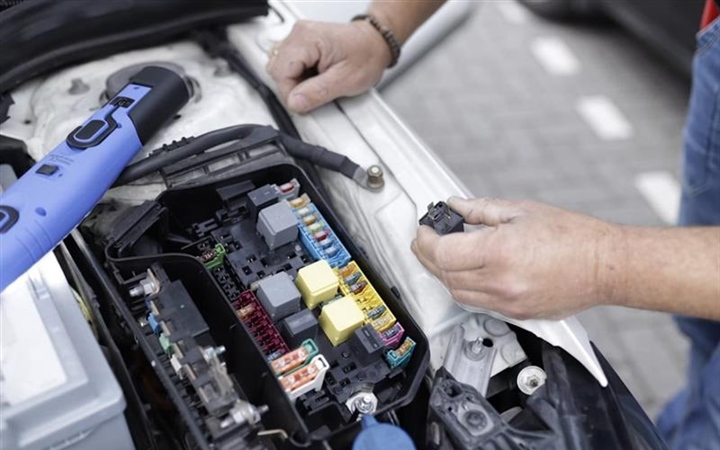
Every car requires maintenance. Electric cars are sometimes described as almost maintenance-free, but this is an exaggeration.
They generally need less drivetrain servicing than conventional cars, yet tires, brakes, suspension, air conditioning, filters, and other components still need attention.
Cars
SuperUser Account
368
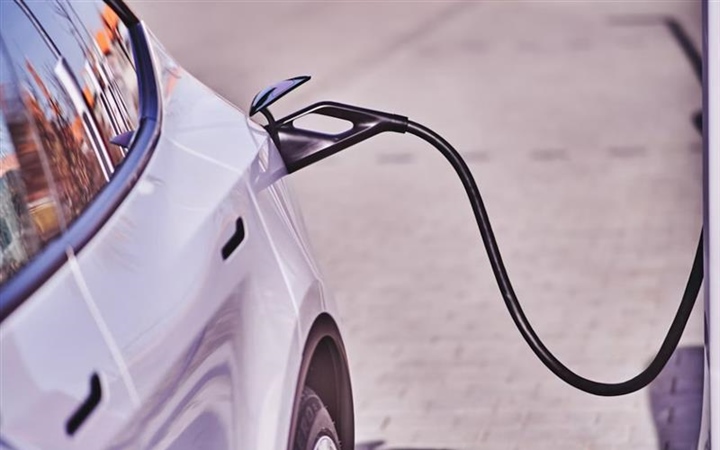
Electric cars are excellent for daily commuting, but many potential buyers worry about long-distance travel.
Can an electric vehicle really replace a gasoline car for road trips?
The answer depends on the car, route, charging network, weather, and driver's expectations.
Cars
SuperUser Account
361
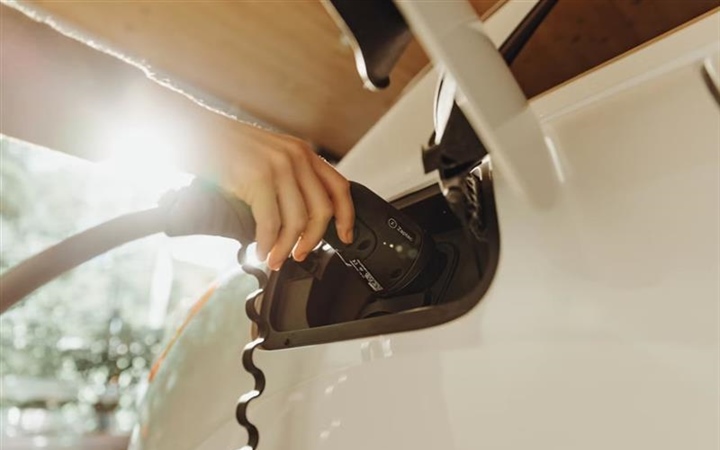
One of the biggest changes when moving from a gasoline car to an electric vehicle is the way energy is added to the car.
Instead of visiting a fuel station every few days or weeks, many electric car owners charge whenever the vehicle is parked.
Understanding the different charging methods makes electric ownership much easier.

Cars
SuperUser Account
353
Electric cars receive enormous attention, but gasoline-powered vehicles continue to be widely used.
There are practical reasons for this.
Internal-combustion cars benefit from a mature global infrastructure, enormous model variety, rapid refueling, and more than a century of technical development.
For many drivers, they remain the easiest solution.