Cars
SuperUser Account
321
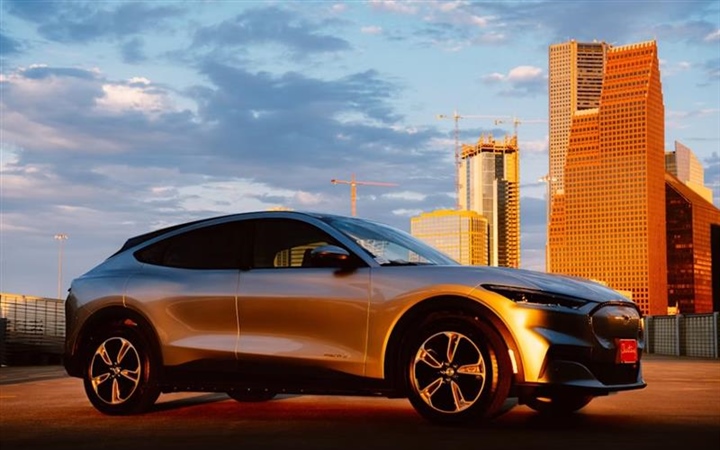
The automobile industry is undergoing one of the biggest technological shifts in its history.
For more than a century, gasoline and diesel engines dominated personal transport.
Today, electric propulsion is moving from a specialist technology into the mainstream.
Does that mean the internal-combustion engine will disappear completely?
The future is likely to be more complicated.
Cars
SuperUser Account
354
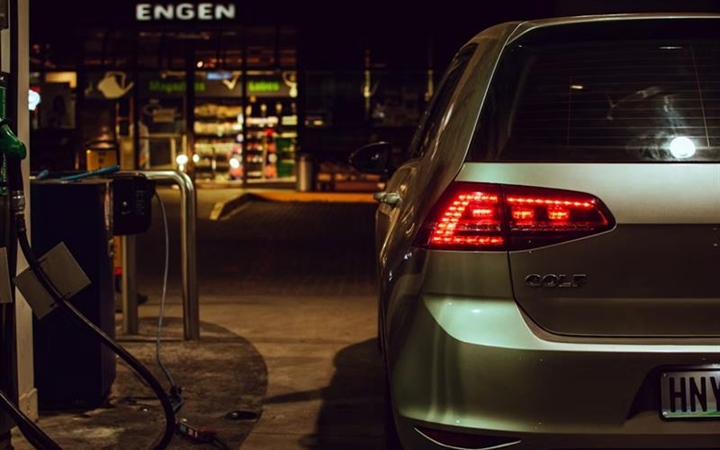
Cities are one of the environments where electric cars make the most sense.
Urban driving involves low speeds, traffic lights, stop-and-go congestion, short journeys, and frequent braking.
These conditions highlight many of the strengths of electric propulsion.
However, conventional cars still have advantages for certain urban drivers.
Cars
SuperUser Account
368
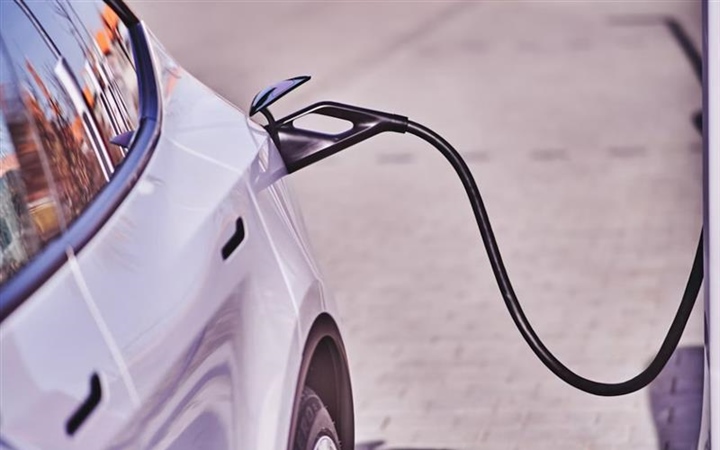
Electric cars are excellent for daily commuting, but many potential buyers worry about long-distance travel.
Can an electric vehicle really replace a gasoline car for road trips?
The answer depends on the car, route, charging network, weather, and driver's expectations.
Cars
SuperUser Account
360
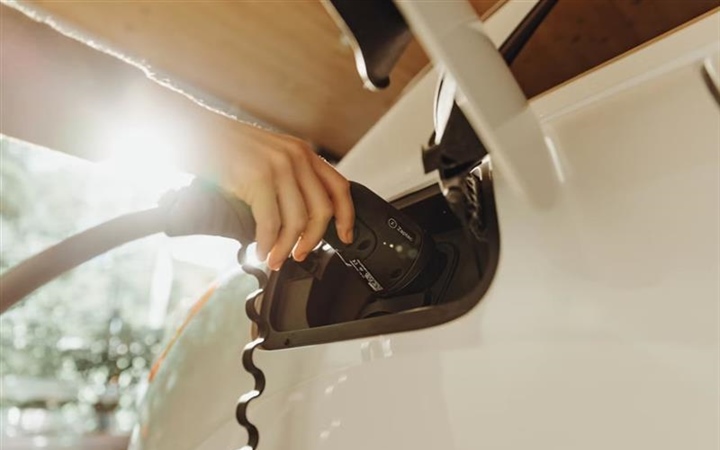
One of the biggest changes when moving from a gasoline car to an electric vehicle is the way energy is added to the car.
Instead of visiting a fuel station every few days or weeks, many electric car owners charge whenever the vehicle is parked.
Understanding the different charging methods makes electric ownership much easier.

Cars
SuperUser Account
362
Electric vehicles are often promoted as environmentally friendly alternatives to gasoline and diesel cars.
The reality is more complicated than simply saying one type is clean and the other is dirty.
Producing any car requires energy, raw materials, factories, transportation, and infrastructure.
The environmental impact of a vehicle needs to be considered across its full life cycle.