Catalog & Directory
Tourism
Tourism
SuperUser Account
339
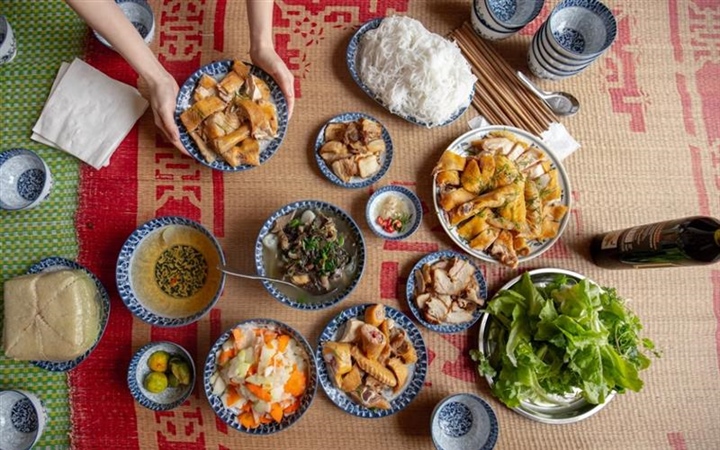
Vietnamese cuisine is known for its freshness, aromatic herbs, contrasting textures, and balance between salty, sour, sweet, spicy, and savory flavors.
Rice, noodles, fish sauce, herbs, vegetables, pork, beef, chicken, seafood, and tropical fruits form the basis of countless dishes.
Food culture varies significantly from northern to southern Vietnam.
Tourism
SuperUser Account
361
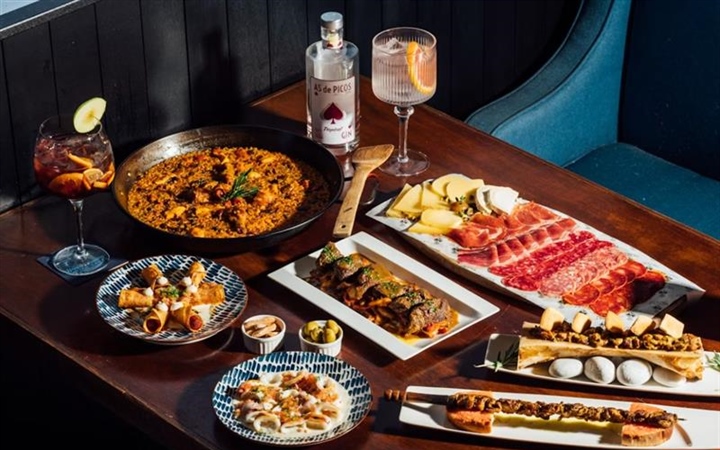
Spanish cuisine is energetic, social, and extremely regional.
While paella and tapas are known internationally, Spain’s food culture includes everything from Atlantic seafood and mountain stews to cured meats, rice dishes, grilled vegetables, and inventive modern cuisine.
Olive oil, garlic, tomatoes, seafood, pork, rice, legumes, and seasonal vegetables are central to many...
Tourism
SuperUser Account
379
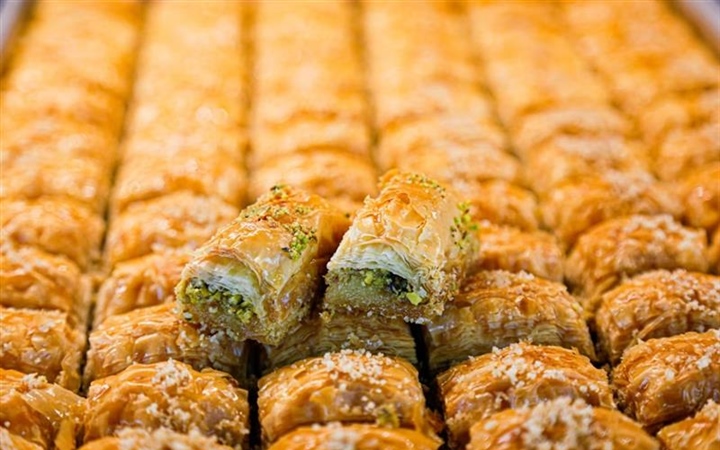
Turkish cuisine reflects the geography and history of a country positioned between Europe, Asia, the Mediterranean, the Middle East, and the Black Sea.
The result is an enormously diverse food tradition featuring grilled meat, vegetables, bread, yogurt, seafood, pastries, spices, rice, legumes, and sweets.
Tourism
SuperUser Account
345
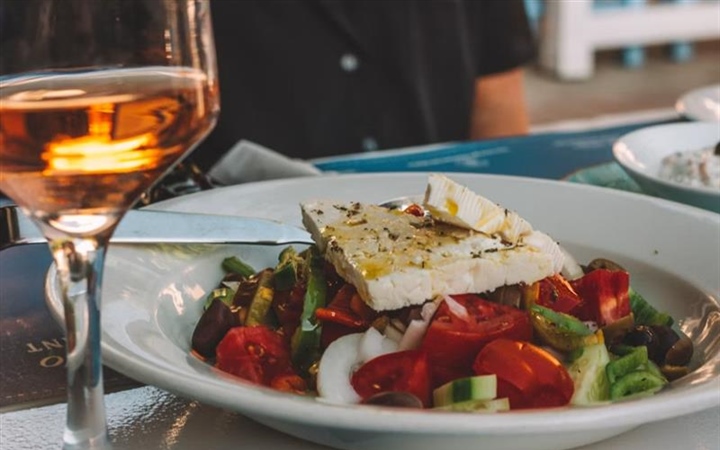
Greek cuisine is built around fresh ingredients, simple preparation, and meals designed for sharing.
Olive oil, vegetables, seafood, herbs, cheese, yogurt, grains, legumes, and grilled meats are central to the traditional Greek table.
The cuisine is closely connected to the Mediterranean climate and the agricultural traditions of the country's mainland and islands.
Tourism
SuperUser Account
377
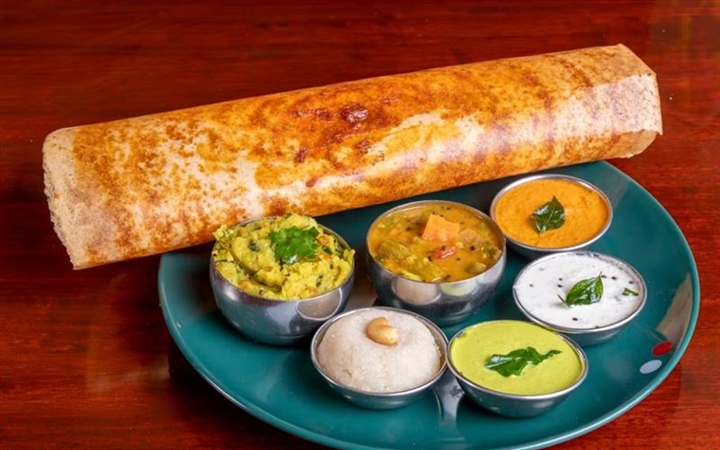
What unites much of Indian food is the skilled use of spices to build layers of flavor rather than simply adding heat.
Indian cuisine is so diverse that describing it as a single style of cooking is almost impossible. Different regions use different grains, spices, vegetables, cooking techniques, meats, and religious traditions.