Tourism
SuperUser Account
367
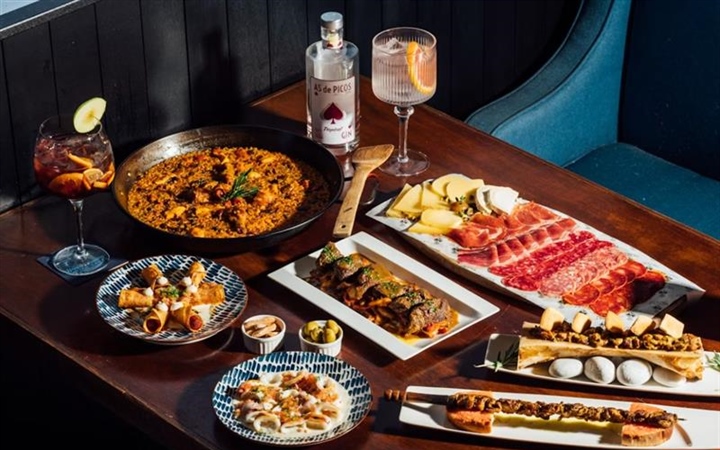
Spanish cuisine is energetic, social, and extremely regional.
While paella and tapas are known internationally, Spain’s food culture includes everything from Atlantic seafood and mountain stews to cured meats, rice dishes, grilled vegetables, and inventive modern cuisine.
Olive oil, garlic, tomatoes, seafood, pork, rice, legumes, and seasonal vegetables are central to many...
Tourism
SuperUser Account
352
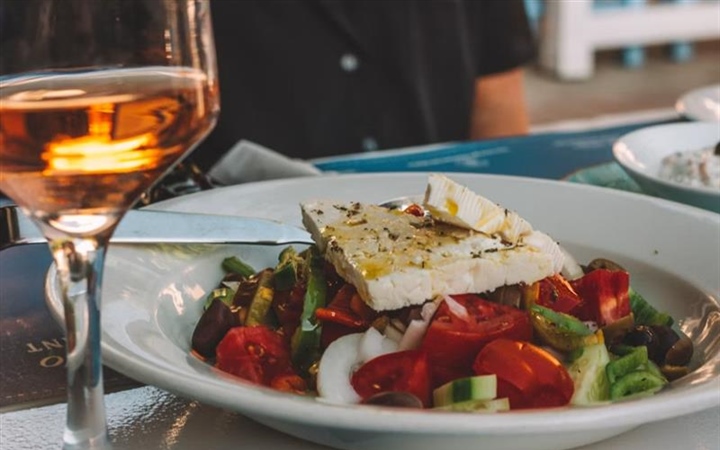
Greek cuisine is built around fresh ingredients, simple preparation, and meals designed for sharing.
Olive oil, vegetables, seafood, herbs, cheese, yogurt, grains, legumes, and grilled meats are central to the traditional Greek table.
The cuisine is closely connected to the Mediterranean climate and the agricultural traditions of the country's mainland and islands.
Tourism
SuperUser Account
382
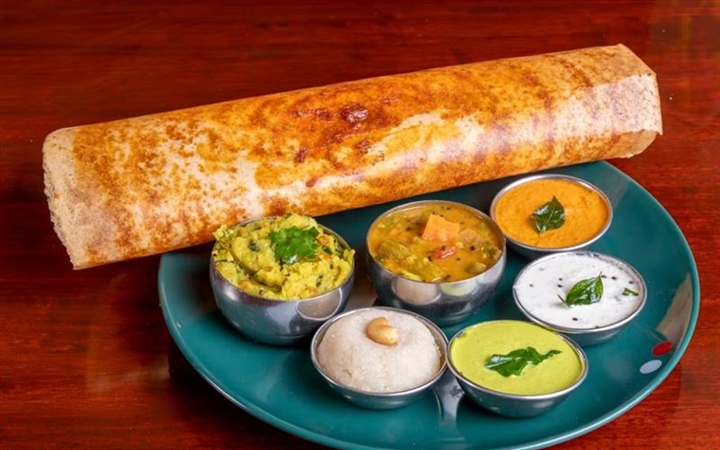
What unites much of Indian food is the skilled use of spices to build layers of flavor rather than simply adding heat.
Indian cuisine is so diverse that describing it as a single style of cooking is almost impossible. Different regions use different grains, spices, vegetables, cooking techniques, meats, and religious traditions.
Tourism
SuperUser Account
345
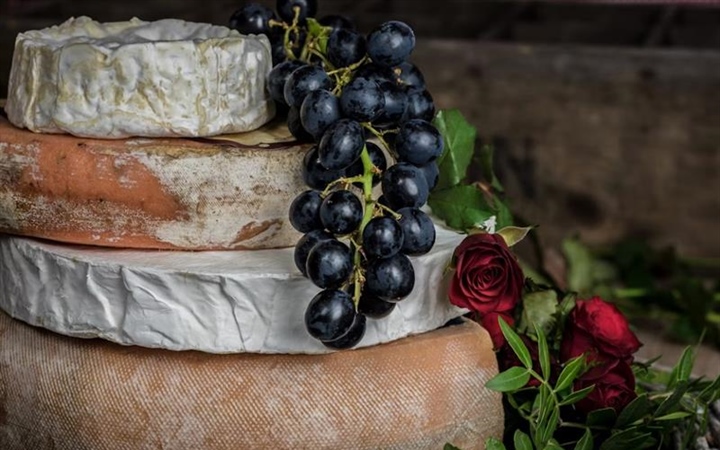
French cuisine has influenced restaurants and chefs around the world. Its reputation is often associated with luxury and formal dining, yet much of traditional French food is based on simple regional cooking.
Bread, butter, cheese, wine, vegetables, meat, seafood, herbs, and carefully prepared sauces all contribute to a culinary tradition built over centuries.
Tourism
SuperUser Account
357
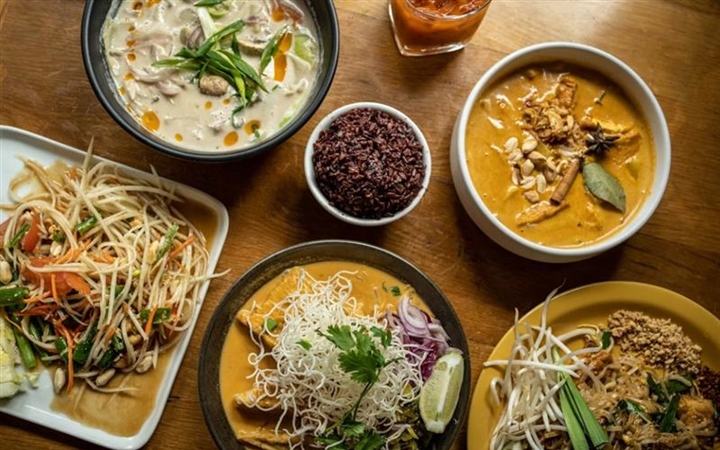
Thai cuisine is famous for combining powerful flavors in remarkably balanced ways. A single dish may contain sweetness, acidity, saltiness, heat, herbs, and deep savory notes.
Lemongrass, lime, chili peppers, fish sauce, coconut milk, garlic, basil, coriander, galangal, tamarind, and fresh vegetables are among the ingredients that give Thai food its distinctive personality.